
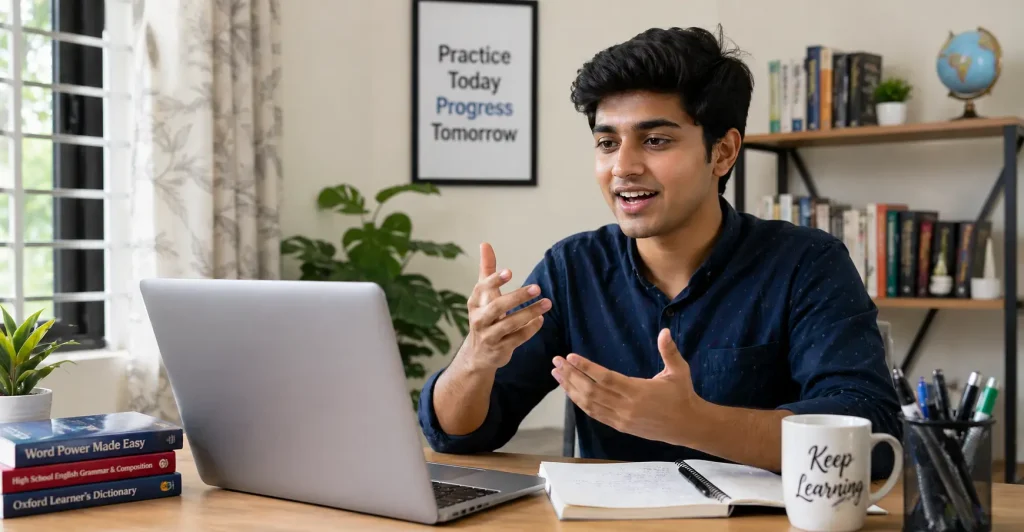
If we’re being real, this is what most people tell us straight away. “I get English fine when reading or listening… but opening my mouth? Total block.” If that’s your story, mate, you’re far from alone in this boat – how to speak English fluently
Over the years at Col’s Calibre, we’ve met engineers, doctors, fresh graduates, and even working professionals who all face this exact problem. They don’t lack knowledge. What they lack is daily speaking practice and the right method. That’s where the idea of learning how to speak English fluently at home becomes very powerful.
The truth is simple. Fluency doesn’t come from studying English. It comes from using it every day. And yes, you can absolutely do that from your home if you follow the right approach.
Why Home Is Actually the Best Place to Start Speaking English
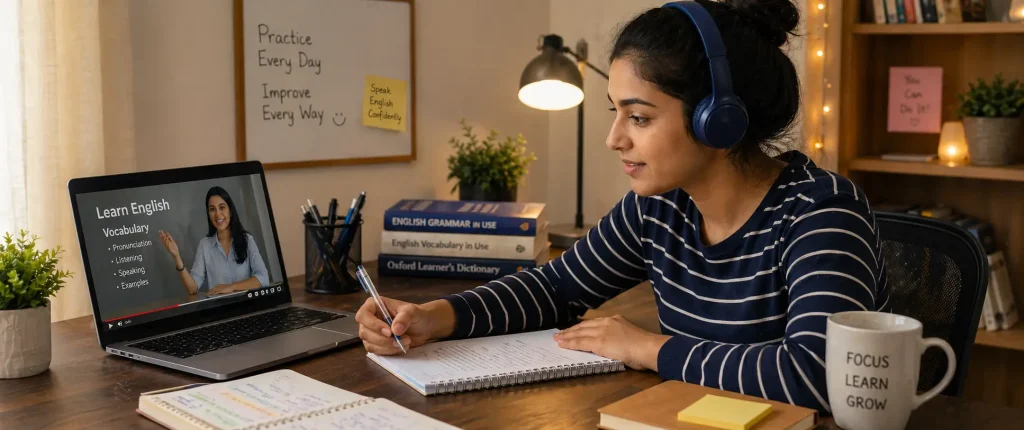
Many people wait to join a course before they begin speaking. But honestly, that delay slows them down. When you start at home, you remove one big problem, fear.
At home, no one is judging you. You can pause, repeat, make mistakes, and try again. That freedom is important, especially in the beginning.
We’ve seen this clearly with our learners. The ones who practise daily at home improve faster than those who only depend on classes. Look, genuine fluency? It builds from banging away at it every day, not some teacher barking orders.
When you understand how to speak English fluently, your daily setup hits you—toss it into the mix, y’know, like nattering to yourself over morning chai or setting your phone to English, and watch the skills roll in smooth, no sweat.
Start Living in English, Not Just Studying It
See, most chaps cock it up right here—thinking English is just boring school stuff to rote-learn for tests.
Truth is, wanna speak it fluently for real? Just slot it into your daily grind, mate—nothing flash, proper simple real-life vibes.
Then, during the day, you can:
- Describe what you are doing while cooking or working
- Switch your phone and apps to English
- Watch English videos instead of random content
- Listen to English while travelling or relaxing
At first, you may depend on subtitles. That’s completely fine. But slowly, try to reduce them. This small change improves your listening without you even realising it.
Speaking Practice: This Is Where Real Change Happens
Now let’s come to the most important part. Speaking.
Many learners wait until they feel confident. But confidence comes after speaking, not before they start to speak. So if you’re serious about how to speak English fluently, you must start speaking immediately.
You don’t need a partner to begin. You can start alone.
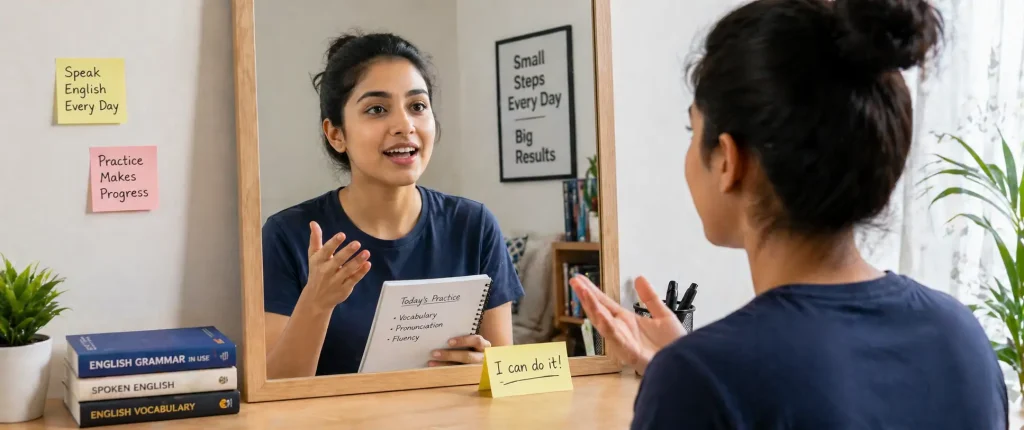
Here are a few simple methods we always recommend:
- Talk to yourself about your day
- Stand in front of a mirror and try to speak
- Repeat sentences from videos immediately after hearing them
- Record your voice and listen to it
Hitting record on your voice feels dead weird to start with, right? But trust me, it shines a light on your slip-ups like nothing else. Stick at it, and your pronun and clarity sharpen up proper.
We run the same kinda speaking drills at Col’s Calibre—it’s why our lot smash high IELTS and TOEFL scores left, right, and centre.
Stop Memorising Words, Start Using Phrases
This is another common issue. Learners try to memorise hundreds of words, but when they speak, they still struggle.
That’s because real communication doesn’t happen word by word. It happens in phrases.
So ditch just “agree”—go for “I totally agree with you, spot on.” And swap plain “problem” for “I’m dealing with a tiny issue here.”
This shift makes a big difference when you are learning how to speak English fluently.
Also, try reading aloud every day. It may feel like a school activity, but it works. It improves your pronunciation, sentence flow, and confidence.
A Simple Daily Routine You Can Actually Follow
You don’t need a complicated plan. You just all need something you can stick to.
Here’s a simple routine we usually suggest to our learners:
| Activity | Time | What It Improves |
| Reading aloud | 15 minutes | Pronunciation and clarity |
| Listening to English | 20 minutes | Understanding and accent |
| Speaking practice | 20 minutes | Fluency and confidence |
| Learning phrases | 10 minutes | Vocabulary usage |
| Writing a short paragraph | 10 minutes | Sentence formation |
Stick to this every day, even just a couple of months, and mate, you’ll spot the change clear as day no kidding. That’s bang how tons of our students start nattering how to speak English fluently without the stress piling up.
Pronunciation Matters More Than You Think – how to speak English fluently
Loads of learners go, “Grammar’s sorted, but folks still look blank.” Nine times out of ten, it’s the pronun.
When you’re cracking how to speak English fluently, don’t sleep on how the words actually sound, yeah?
Try this:
- Listen carefully to how native speakers are pronounce their words
- Notice which words are stressed in a sentence
- Repeat sentences exactly as you hear them
- Compare your voice with the original
At our centre, many trainers are trained by the British Council, so we focus a lot on pronunciation and clarity. That’s what makes communication effective.
Let’s Talk About Confidence Honestly
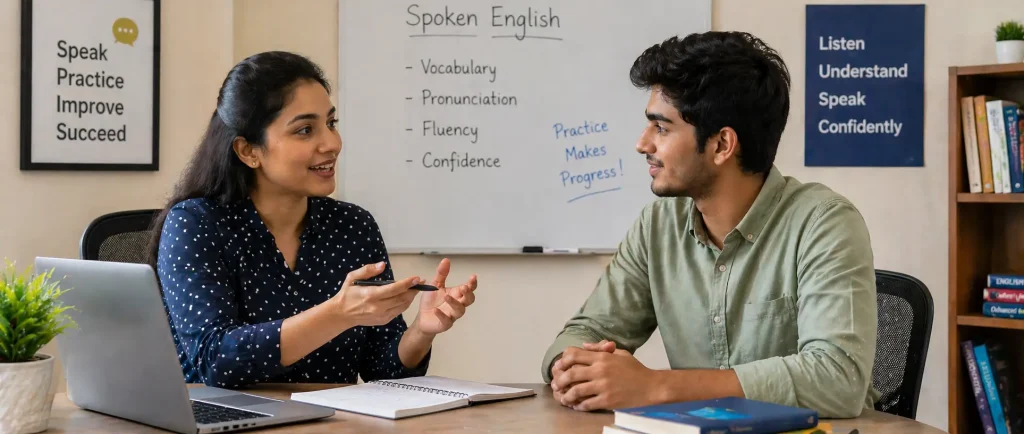
This is the one real issue for most people.
Even when they know what to say, they hesitate. They worry about mistakes. They worry about what others will think about us.
But here’s the truth. Every fluent speaker you see today has made hundreds of mistakes in the past.
So if you want to master how to speak English fluently, you need to accept one thing. Mistakes are part of the process.
Start small. Speak simple sentences. Gradually increase your level. Confidence doesn’t come in one day, but it grows with every attempt.
Bring English into Real-Life Situations
At some point, you need to move beyond practice and start using English in real situations.
You can begin with simple steps:
- Speak in English with friends who are comfortable
- Join online speaking groups Practise interview questions aloud
- Practise interview questions aloud
- Try explaining topics as if you are teaching someone
These small actions help you move from practice to real communication. That’s when fluency starts feeling natural.
How We Help Learners at Col’s Calibre
While home practice is powerful, proper guidance makes the journey faster and smoother.
At Col’s Calibre, we have been training learners since 1997. Our founder, Col P Jeyaraj (Retd), has over 35 years of experience in training and development.
We focus on:
- Communicative English
- IELTS, TOEFL, PTE, and OET training
- Personality development
- Interview preparation
Many of our learners achieve Band 7 and above in IELTS and more than 108 in TOEFL. We even have professionals travelling from countries like Singapore, Malaysia, and the Gulf to train with us.
You can explore more about our programmes at Col’sCalibre
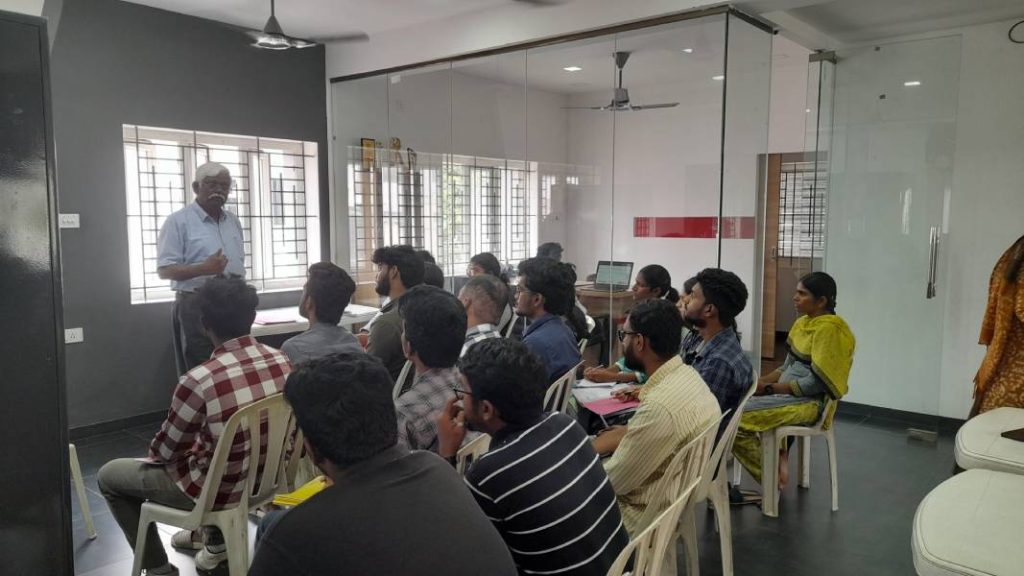
We always encourage learners to meet our trainers directly so we can guide them in the right direction.
Why Fluency Matters in Today’s World
English is no longer just a skill. It is a necessity.
Whether you want to study abroad, attend interviews, or grow in your career, communication plays a key role. Understanding how to speak English fluently can open doors you didn’t even expect.
If you are preparing for exams like IELTS, you can also refer to the official website: https://www.ielts.org/
A Quick Recap You Can Remember – How to speak English fluently
If everything feels like too much, just remember this:
- Use English daily in small ways
- Speak even when you are not confident
- Learn phrases instead of single words
- Follow a simple routine
- Stay consistent
That’s all. Fluency is not about perfection. It’s about regular use.
FAQ for how to speak English fluently
You can… but only if you actually sit and practise, not just think about it.
That happens because you’re used to listening, not really using it yourself.
Just start talking in English, even if it’s only to yourself, that’s enough.
It’s different for everyone, but if you keep at it, you’ll notice changes soon.
No, that’s just part of it, you actually get better because of those mistakes.